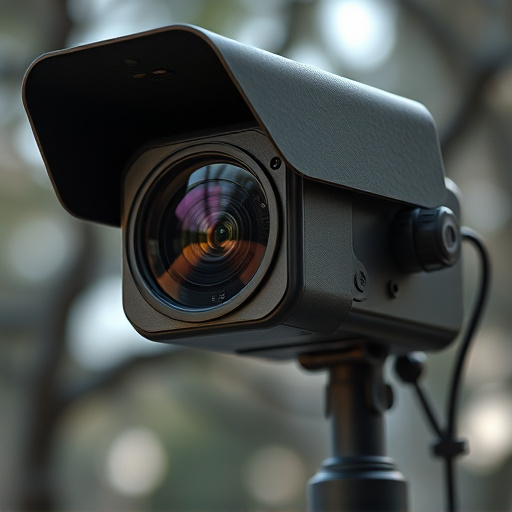
Optical sensors, leveraging light conversion and image processing, revolutionize security surveillance, with tailored applications like thermal imaging for hidden device detection. Nanny cam placement strategies involve integrating them into everyday items or structures for discretion, with magnetic cameras on metal surfaces as an option. Professional installation combines technical skill and psychology to create undetectable monitoring systems while prioritizing privacy in residential settings.
Uncover the art of discreet surveillance with our guide on optical sensor detection sweep professional methods. In today’s world, understanding optical sensor technology is crucial for effective security measures, especially when concealing nanny cams. This comprehensive article explores choosing the right detection methods and offers expert tips for installation and testing techniques. Learn the secrets to hiding nanny cams successfully, ensuring your peace of mind while maintaining privacy. Discover where to hide nanny cams effectively and revolutionize your security strategy.
- Understanding Optical Sensor Technology
- Choosing the Right Detection Methods
- Concealing Nanny Cams Effectively
- Professional Installation and Testing Techniques
Understanding Optical Sensor Technology
Optical sensor technology has revolutionized various industries, including security and surveillance. At the heart of this revolution are tiny yet powerful devices capable of detecting and capturing visual data in a range of environments. Understanding how these sensors work is crucial when employing professional methods for optical sensor detection sweeps, especially when considering where to hide nanny cams.
These sensors operate by converting light into electrical signals, leveraging principles of optics and image processing. They can be designed to detect specific wavelengths of light, enhancing their effectiveness in different conditions. For instance, infrared sensors are excellent for nighttime operations, while some advanced models incorporate digital signal processing to improve image quality, making them suitable for both indoor and outdoor surveillance, including hidden camera locations like those used by nannies.
Choosing the Right Detection Methods
When it comes to employing optical sensor detection, selecting the appropriate methods is paramount for achieving effective and discreet results. The choice largely depends on the specific application, be it in a residential or commercial setting, and the desired level of security. For instance, in high-risk areas where professional surveillance is required, advanced thermal imaging cameras can detect heat signatures, making them ideal for identifying hidden devices like nanny cams. These sensors are particularly useful when investigating where to hide nanny cams, as they can reveal unusual temperature variations indicative of covert recording equipment.
Additionally, professionals often opt for high-resolution visual sensors with excellent low-light performance, ensuring clear images even in dimly lit environments. This is especially crucial when conducting sweep operations in areas known for their dense or cluttered layouts, such as offices or busy homes. Employing the right detection methods allows for a comprehensive search, ensuring no hidden cameras are left undetected, and providing peace of mind in terms of privacy protection.
Concealing Nanny Cams Effectively
Hiding nanny cams effectively involves a strategic approach to ensure maximum discretion while still achieving surveillance goals. Professionals often recommend integrating these devices into everyday household items or common structures that are already present in the home. For instance, placing a cam inside a faux power outlet or a decorative light fixture can go unnoticed by occupants and visitors alike. Additionally, using magnetic cameras that can be attached to metal surfaces like pipes or backsplashes offers another creative solution.
When deciding Where to Hide Nanny Cams, consider areas that are out of direct sight but still capture key activities. Common spots include above doorframes, inside bookcases, or even within a child’s toy box. It’s important to regularly reevaluate the placement to maintain discretion and adapt to changing circumstances in the household. By utilizing these methods, parents can gain valuable peace of mind while ensuring their children are safe without compromising on privacy.
Professional Installation and Testing Techniques
Professional installation and testing techniques for optical sensor detection sweeps require meticulous attention to detail. Expert technicians employ advanced tools and knowledge to deploy hidden camera systems, known as nanny cams, in strategic locations where they are least expected. This involves understanding not just technical specifications but also behavioral psychology, ensuring that the devices remain undetected while capturing crucial evidence.
Testing is a rigorous process that includes signal strength analysis, field of view verification, and resolution checks to ensure optimal performance. Professionals also consider factors like lighting conditions, angles of view, and potential obstructions to guarantee effective surveillance. The goal is to create an invisible yet comprehensive monitoring system—a subtle addition to any environment where discretion and clarity are paramount, such as where to hide nanny cams for maximum effectiveness without compromising aesthetics or privacy measures.
Optical sensor technology offers advanced detection methods, allowing for discreet and effective monitoring. By understanding the capabilities of these sensors and selecting the right techniques, such as professional installation and strategic camera placement (like knowing where to hide nanny cams), you can ensure comprehensive security. Choosing the appropriate detection methods is key to maintaining privacy while leveraging modern surveillance technology.